













The Essentials to Pack in a Home Emergency Kit
One of the best ways to improve your household’s safety is to focus on preparation. If disaster strikes, your household could be without power and running water for an extended period of time. That’s why having an emergency kit filled with supplies is an essential home safety measure.
Remember, when packing your emergency kit, disasters can be different throughout the country. Depending on where you live, you could face flooding, blizzards, tornadoes, or hurricanes, so make sure you make your emergency kit personalized to your location.
Food and water
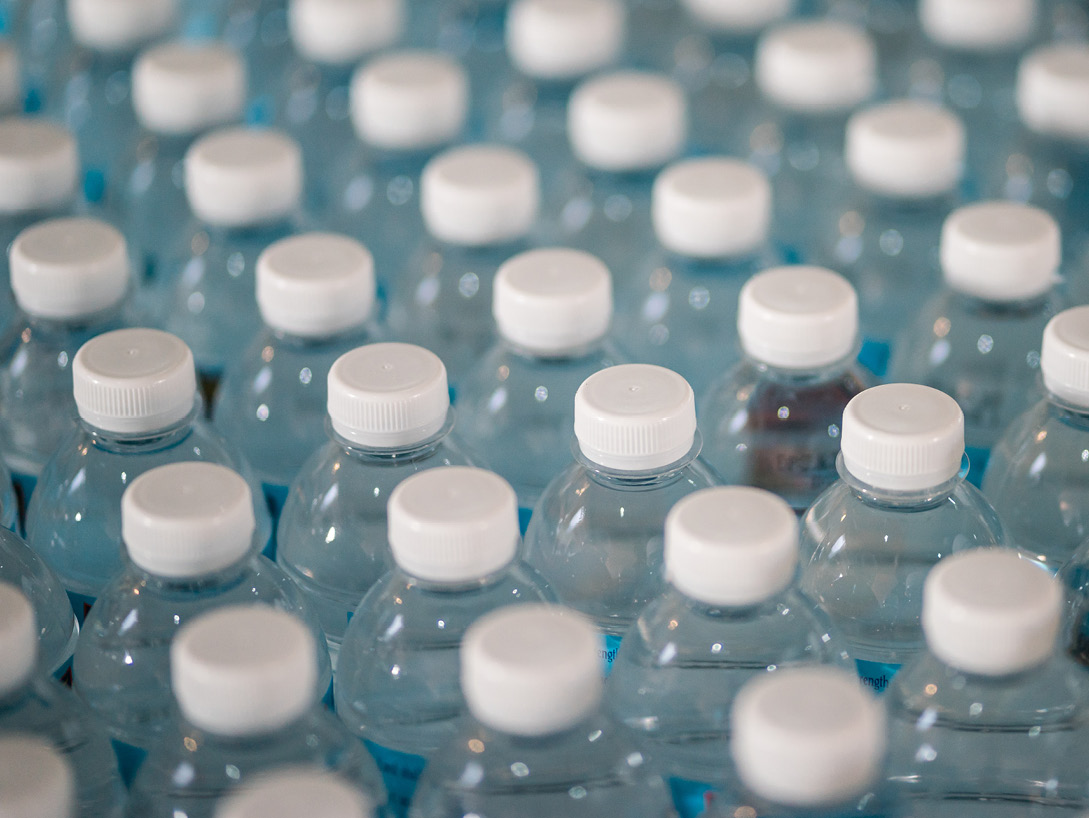
During a crisis, you may not have access to basic necessities like clean water and food, so make sure you have a supply of these items available. According to the Red Cross, you should keep one gallon of water per person per day. You may also want to pack portable water filters designed to remove waterborne bacteria, parasites, and microplastics from water. When it comes to food, the Red Cross suggests keeping nonperishable, easy-to-prepare items handy. If you’re packing canned food, make sure you have a manual can opener in your emergency kit. You should have a three-day supply of both food and water for evacuation situations and a two-week supply for if you’re sheltering in place.
First-aid kit
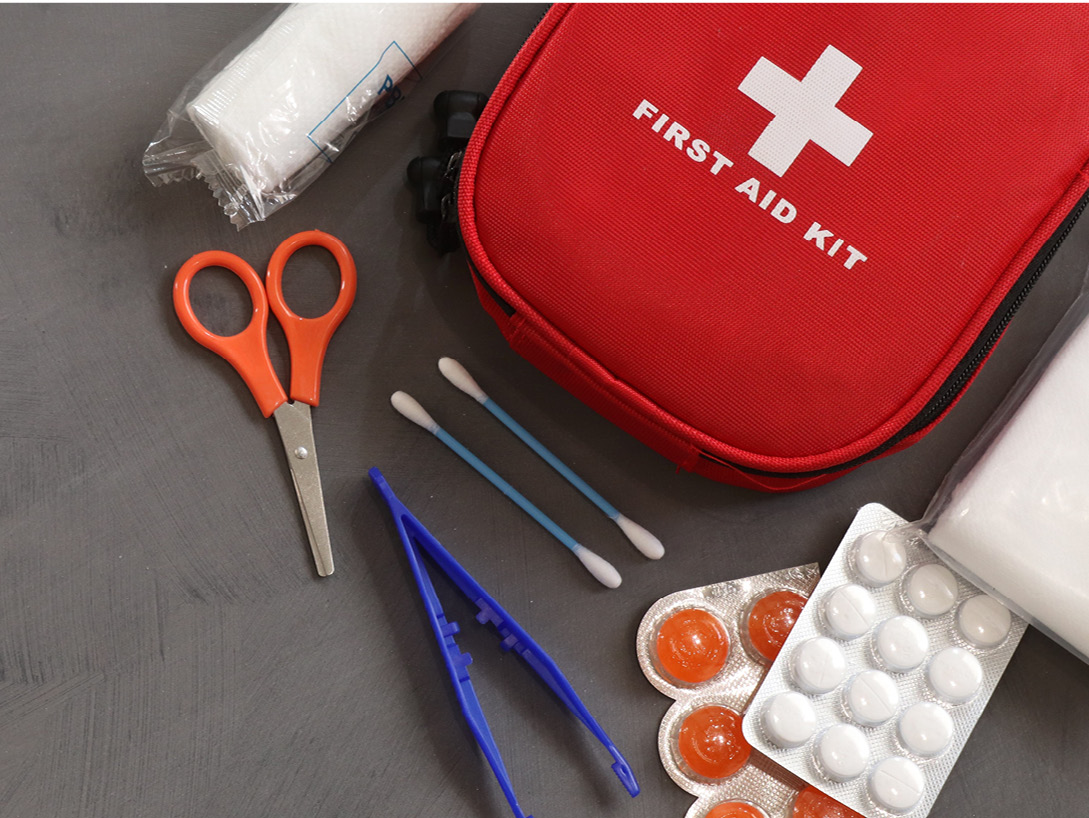
A well-stocked first-aid kit can help you get through an emergency. You should regularly check your first-aid kit and replace any of the contents that have expired. You can buy a premade first-aid kit, or you can put one together yourself with the following items:
- Adhesive bandages
- Gauze pads
- Adhesive tape
- Roller bandages
- Antibiotic ointment
- Scissors
- Tweezers
- Cold pack
- Antibacterial wipes
- Thermometer
- Antiseptic spray
- Latex gloves
- Eyewash
- Emergency blanket
Other basics
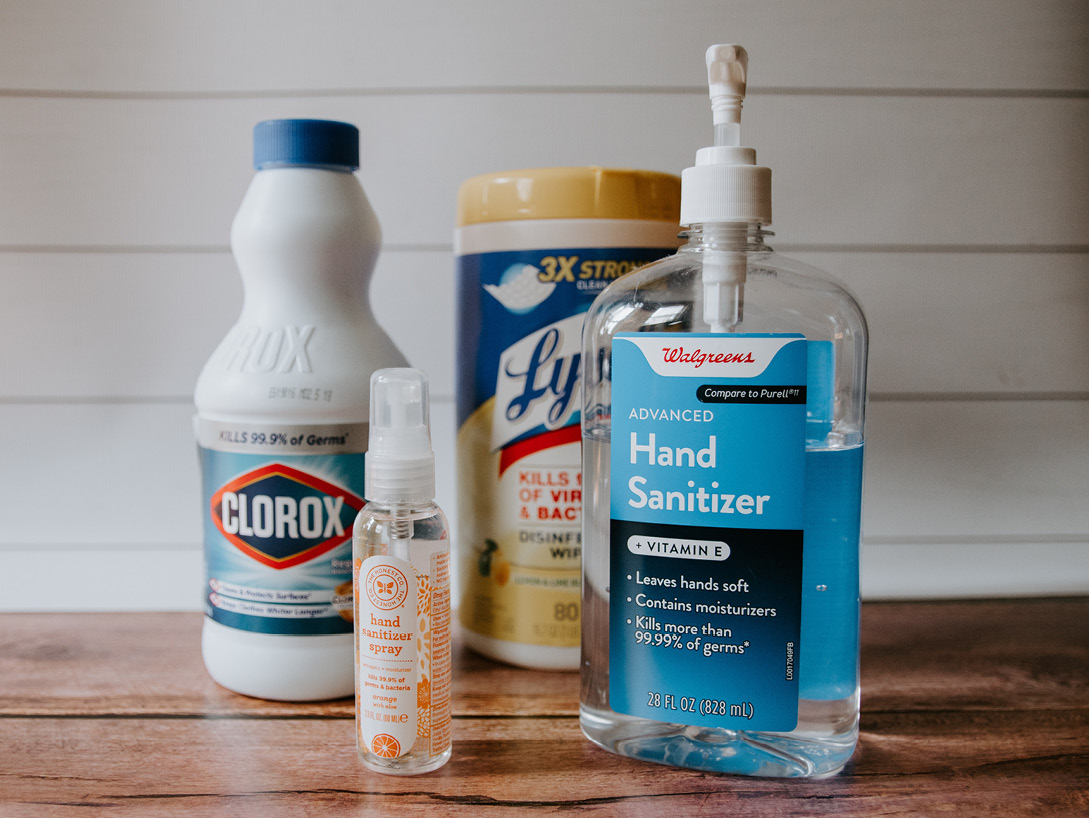
You should consider stocking up on several additional supplies that can help keep your household safe and sound. This list includes:
- Prescription medications: If any of your family members regularly take medication, make sure you have a seven-day supply available.
- Nonprescription medications: Keep over-the-counter medications, such as pain relievers, antacids, and laxatives, in your kit.
- Personal hygiene items: Soap, toothpaste, and feminine products are all necessities.
- Cell phone and power bank: A rechargeable power bank can help keep your phone charged so you can contact emergency responders or family members during a crisis.
- Change of clothing: Each household member should have at least one extra pair of clothes in the emergency kit. If your area has cold winters, don’t forget to store seasonal clothing, such as warm jackets, hats, and gloves.
- Flashlight: If your home loses power, a flashlight can help you safely navigate through your home.
- Radio: A battery-powered or hand-crank radio can help keep you informed during an emergency.
- Batteries: You should cache a supply of batteries to power your devices for several days.
- Bedding: Items like pillows, blankets, and sleeping bags can help your household stay comfortable.
- Personal documents: Important family documents, such as medical information, passports, insurance policies, and proof of address, should be stored in a waterproof and fireproof container or safe.
- Pet supplies: Don’t forget to stock up on items for your pet, such as food, toys, and other supplies.
- Map of the area: If you must evacuate your home, a map can help you navigate your way to safety.
Additional supplies
You never know what you’ll face in an emergency, so, depending on where you live, these items can be helpful to keep with your kit.
- Cash
- Waterproof matches
- Rain gear
- Life raft
- Fire extinguisher
- Tent
- Flares
- Hand warmers
- Work gloves
- Tools (hammer, pliers, screwdrivers, wrench, shovel, axe, utility knife)
- Needle and thread
- Plastic sheeting
- Duct tape
- Dust masks
- Entertainment (games and books)
By taking some time to focus on preparation, you can help increase your chances of safely making it through a crisis.