








Wallpaper 101
Once dismissed as outdated and overwhelming, wallpaper is experiencing a stylish resurgence—and for good reason.
Today’s designs are a far cry from the busy patterns of your grandmother’s living room, offering fresh, modern options that suit nearly every taste and space. Whether you’re looking to add a bold accent or subtle texture, these wall coverings make it easy to update virtually any room without taking on a full renovation. But before you dive right in, explore these details to help you make the best choice for your home.
Types of wallpaper
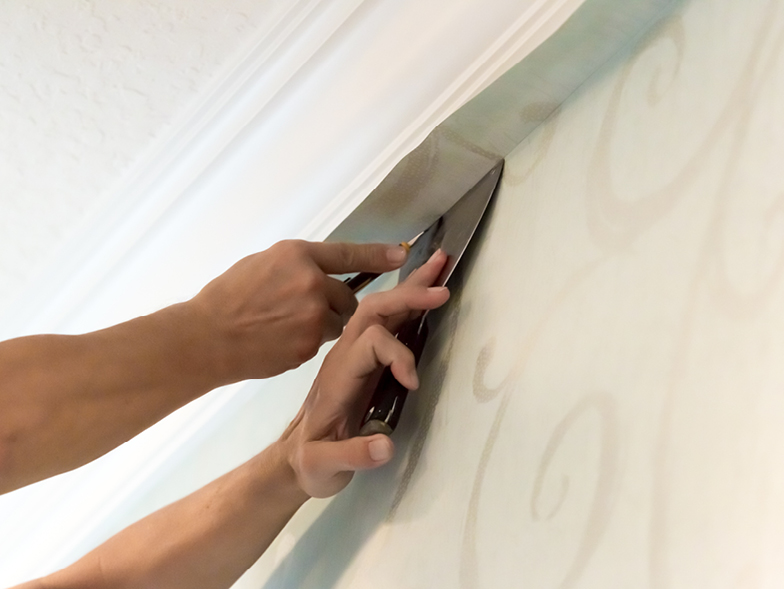
It’s important to understand that not all wallpaper is interchangeable, nor is every type suitable for every project. Among the top factors to consider is the application method. Here’s a closer look at the three most common varieties:
- Peel-and-stick, as the name suggests, has an adhesive backing, essentially making it a giant sticker. Easy to apply and remove, it is a good option for renters and those who like to switch up their spaces often. However, it doesn’t always stick well in humid environments depending on the material it’s made of.
- Prepasted comes with dried paste on the back that you must activate with water before installing. This makes it more permanent than peel-and-stick, but it is still relatively easy to remove. It works best in moderately used spaces, such as formal dining rooms and guest bedrooms.
- Nonpasted wallpaper is the most traditional version and takes more skill to hang. But while the installation is more involved, it is arguably the most durable and ideal for long-term designs and high-traffic areas like hallways and entryways.
On top of the different attachment methods, you’ll find several types of materials. For instance, vinyl is sturdy and washable—making it perfect for bathrooms and kitchens—whereas paper is a classic, eco-friendly choice with intricate prints but less durability. For a more unique look, you can try grass cloth, which adds texture, depth, and luxury to a space, but it only works well on walls that aren’t frequently touched because it’s almost impossible to clean. To ensure that you make an informed decision, do your research and consider discussing your options with a professional, whether you’re planning to take on the job yourself or hire it out. Their expertise can help guide you in the right direction.
Where to hang it
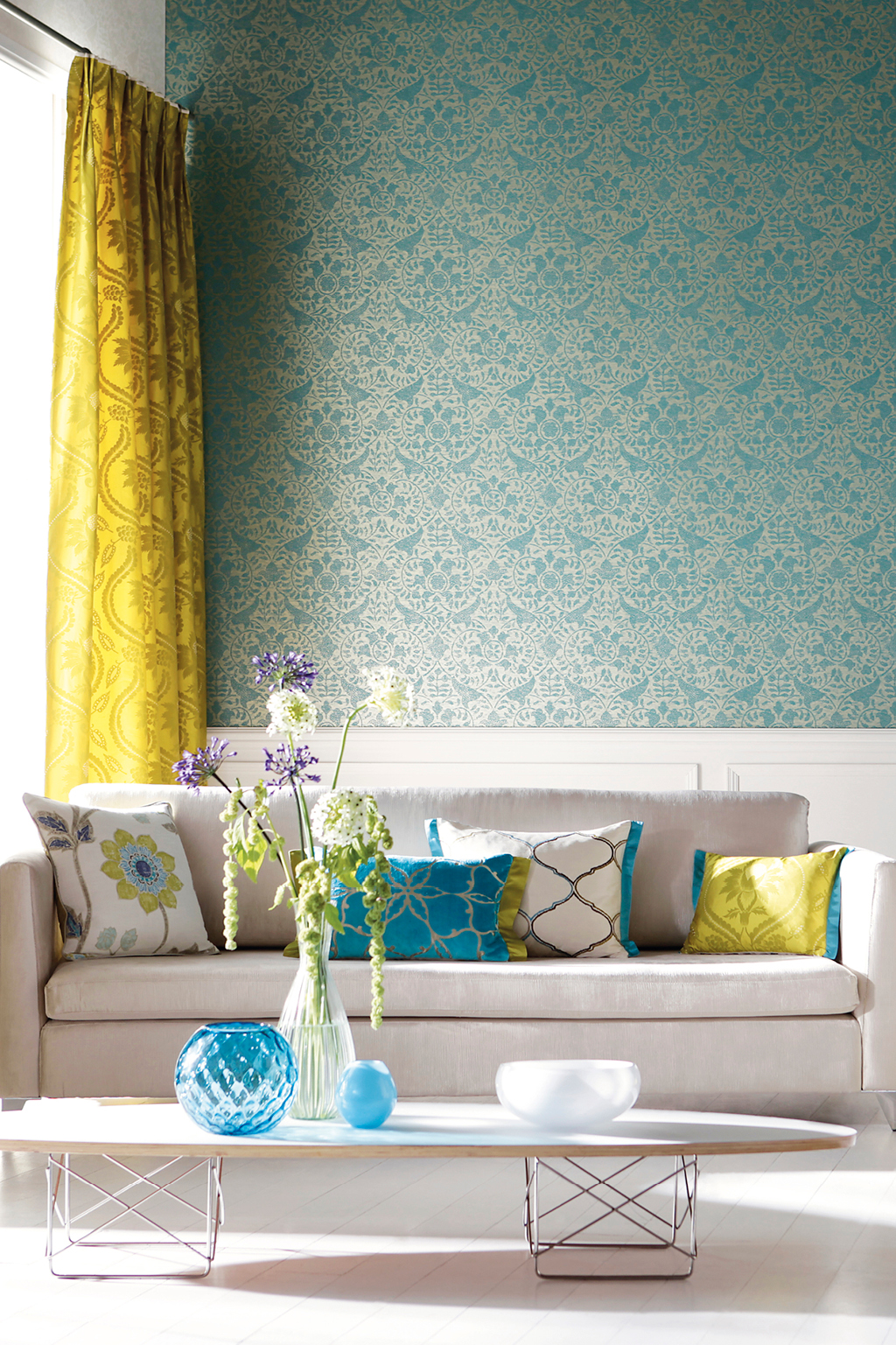
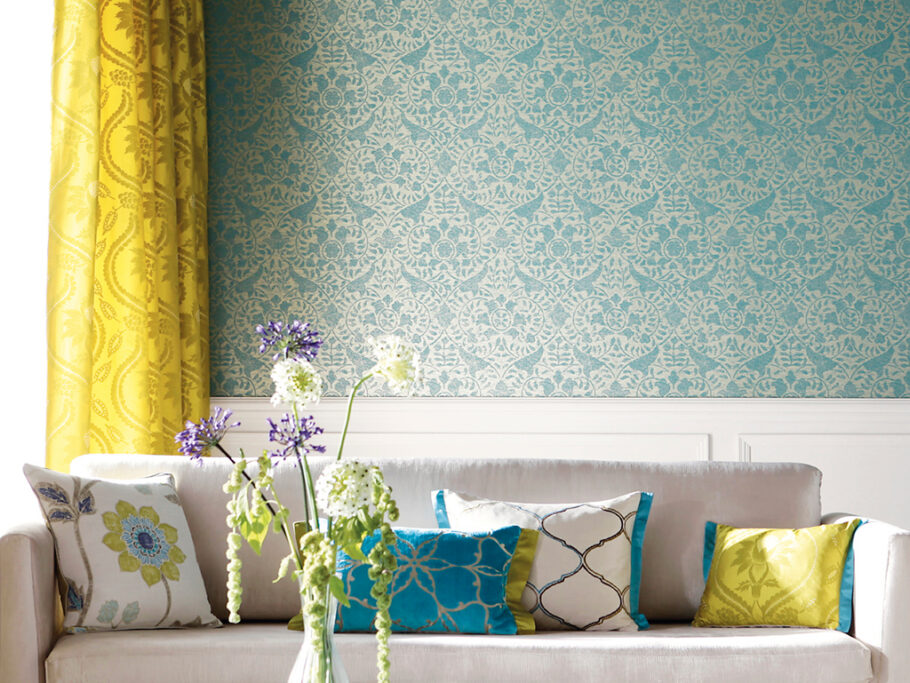
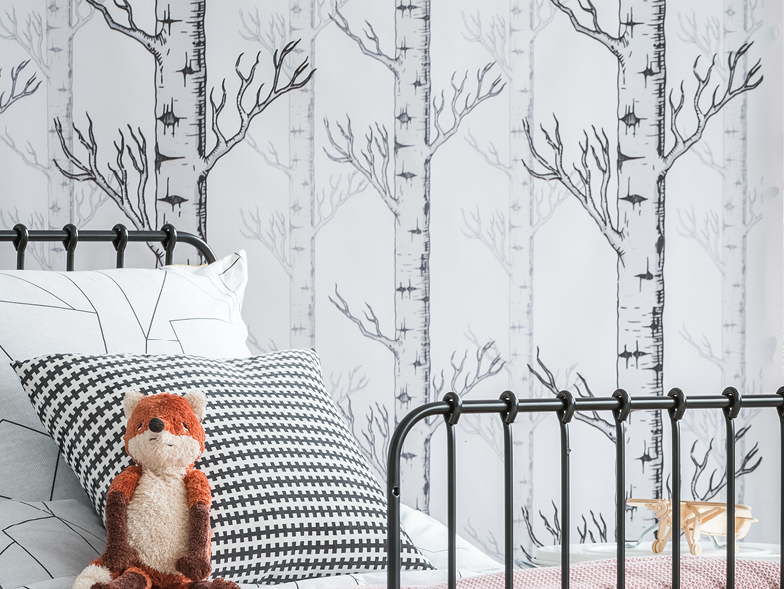
Wallpaper can work almost anywhere, but it shines most in spaces where it can be a visual focal point. Some great spots include living rooms and bedrooms, entryways and hallways, ceilings for unexpected drama, and even the back panels of bookshelves or nooks. You can apply it to a single wall as an accent or cover the whole room in it—it simply depends on how big of a statement you want to make.
However, avoid using wallpaper in consistently humid rooms, like poorly ventilated bathrooms, laundry rooms, and some kitchens, unless you opt for a moisture-resistant material like vinyl. Textured walls are another no go unless you want to go through the hassle of sanding, cleaning, and priming the surface to get a smooth finish. And while peel-and-stick selections can be DIY friendly, you may be better off hiring a professional installer for prepasted and nonpasted ones due to their complexity.
Purchasing wallpaper
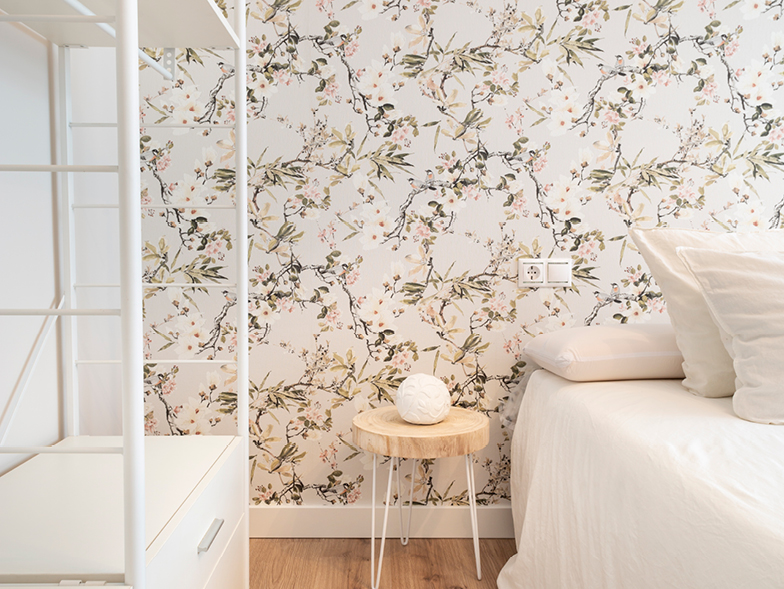
The range of available wallpaper is impressively plentiful. Retailers like Home Depot and Lowe’s sell budget-friendly options in both classic and trending styles, while boutique and designer brands like Anthropologie, Chasing Paper, and Rifle Paper Co. offer a large variety of curated collections. Further, online-only shops like RoomMates, Wallism, and Spoonflower provide everything from simple patterns to full-wall murals.
Before you buy, order a sample (especially if shopping online) so you can gauge the wallpaper’s quality and assess how it would work with the rest of your home’s design. As for how much to get, carefully measure the height and width of each wall you plan to cover, multiplying the numbers to calculate the
total square footage needed. Depending on the pattern, you might be able to subtract the area of doors and windows, but only if the wallpaper has a repeating pattern; mural styles typically require full coverage so that the design aligns properly.
Further, make sure to overestimate by 15 to 20 percent to account for pattern matching, trimming, and any mistakes. Many online retailers offer calculators to help determine how much to order based on your measurements and the specific product. Always double-check your numbers— ordering too little can lead to mismatched pieces, especially with specialty options or individually dyed batches.
Wallpaper is a wonderful design tool that lets you express your style in a bold, tangible way. With a bit of consideration, you can find the right ones to enhance your spaces and bring a polished yet unique touch to your home.
1104 Views
Related Posts


Popular Posts