








Elevate Your Home with Art
Art can have an awesome power to inspire and touch our emotions, but there is something especially profound about an original piece.
With such a vast pool of amazing works to choose from, selecting just one to start your collection can be a daunting and expensive experience. If you’re looking to add a high-end and unique composition to your home, utilize this guide to streamline the process and help you choose something that can enhance your life for years to come.

Select well
A critical first step in buying art is getting to know what speaks to you most. For example, if you enjoy the serenity of impressionistic nature scenes, a painting reminiscent of Claude Monet’s The Water-Lily Pond might be a good choice. Meanwhile, an abstract creation similar to Jackson Pollock’s colorful Convergence may be more fitting if you’re looking for something more modern. Also factor in your preferred medium, whether you’d like a painting, photographic print, sculpture, or another art form. To get a feel for what you might like, consider browsing galleries and museums or peruse online platforms like Pinterest, Instagram, and Etsy to discover up-and-coming artists and browse their portfolios.
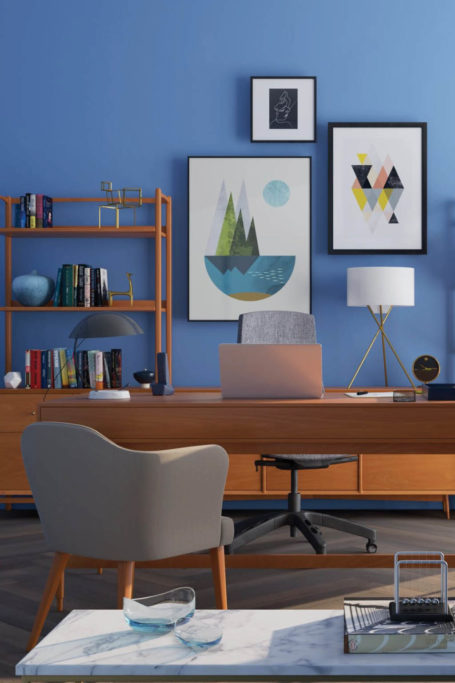
Think about where the art will live in your home, taking into account the room’s style and color and whether you want the work to complement those factors or contrast them for a more vibrant look. Just as importantly, measure the space where you intend to display your new acquisition to ensure that it will fit perfectly; this will help you avoid the common mistake of choosing one that’s too small, which may cause it to be dwarfed by empty space. As a general guideline, any artwork mounted on a wall should cover about 60 to 75 percent of it, excluding areas obscured by furniture or moldings. An alternative is to combine it with other pieces to create a gallery wall that fits an equivalent amount of space.

Set your budget
Given that original art can vary widely in cost, it’s essential to set a budget before you shop. Having one can help you identify the best places for you to search for art within your price range—such as at a high-end gallery or an art school showing.
What you can expect to pay will depend on factors like the artist’s celebrity, the medium, and how in demand or rare their work is. For help finding fine art that fits both your budget and aesthetics, consider hiring an art consultant or interior designer to select and price art pieces for you. Another option is to shop at an online retailer like Artfinder, where you can find abstract paintings, sculptures, and collages signed by artists for anywhere from about $65 to tens of thousands of dollars. Works at art fairs tend to have a smaller range: from $100 to a couple thousand dollars. Vintage or preowned works, which you may find at secondhand shops, are another affordable consideration.
No matter what you decide to spend, though, aim to buy art that brings you happiness rather than trying to identify something that may make a profit since it could take years, or even generations, to increase in value—so focus on the impact it can have on you right now in your home.

Authenticate the artwork
As with any other important purchase, be sure to do your due diligence. If possible, view any piece you’re contemplating in person before buying it to fully gauge its craftsmanship and personal impact. It’s also wise to research its artist and seller to ensure their credibility; always ask for a signed certificate of authenticity (COA) to verify the artwork’s origin and pertinent history, including previous ownership. Selecting and purchasing art for your home can be a complicated and long journey, but if you’ve carefully done your research, it will bring joy and beauty to your living space for years to come.
6238 Views
Related Posts



Popular Posts