



3 Problematic Landscaping Features You Shouldn’t Pick
A great landscape makes your house feel like a home. Fresh greenery, lush colors, cooling shade, and an overall healthy appearance can also make your property more valuable, adding the type of attractive curb appeal that visitors and homebuyers will love.
But not every choice is a good one. These three options for your outdoor spaces might not be all they’re cracked up to be, and some could even end up costing you.
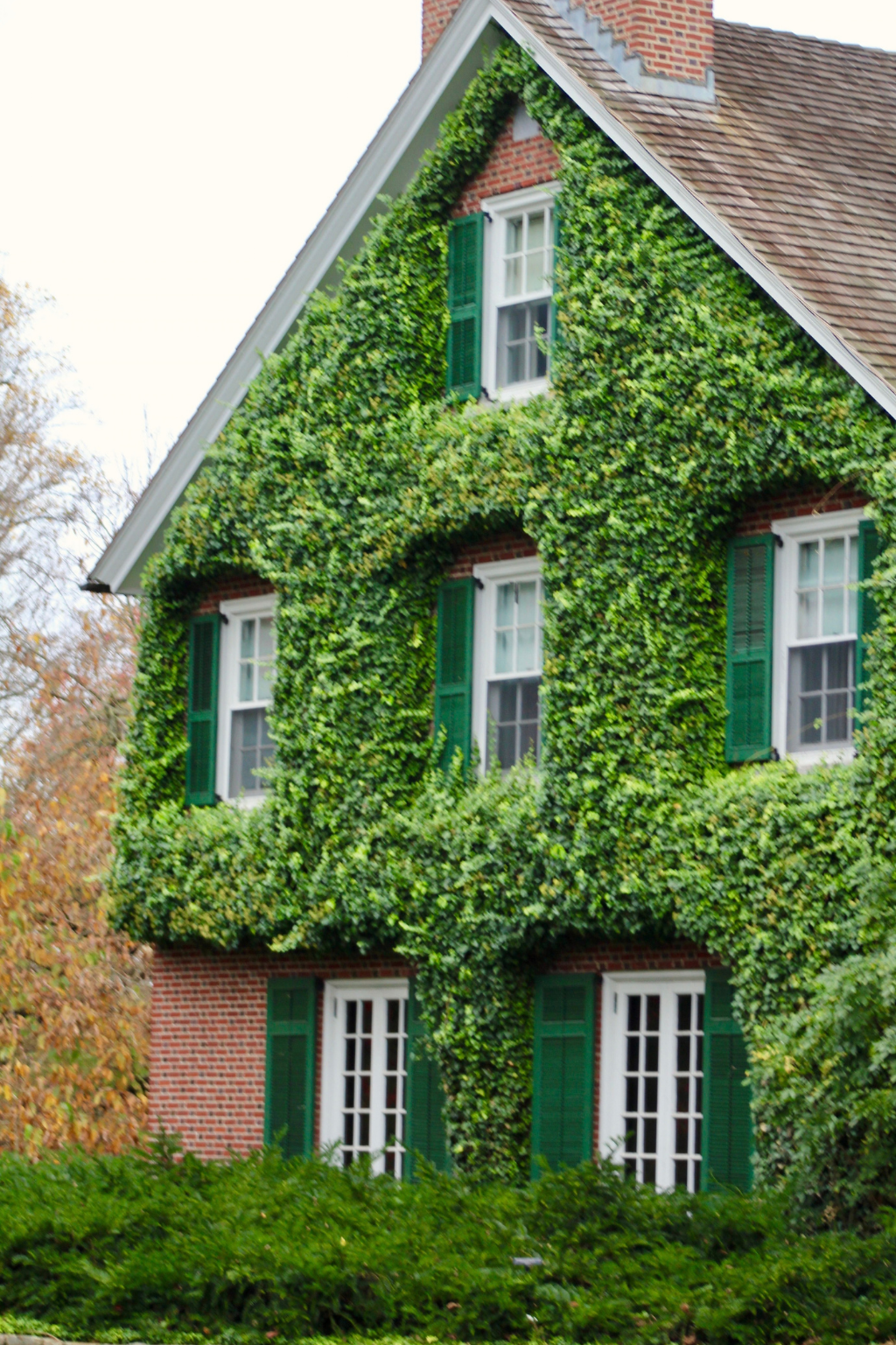
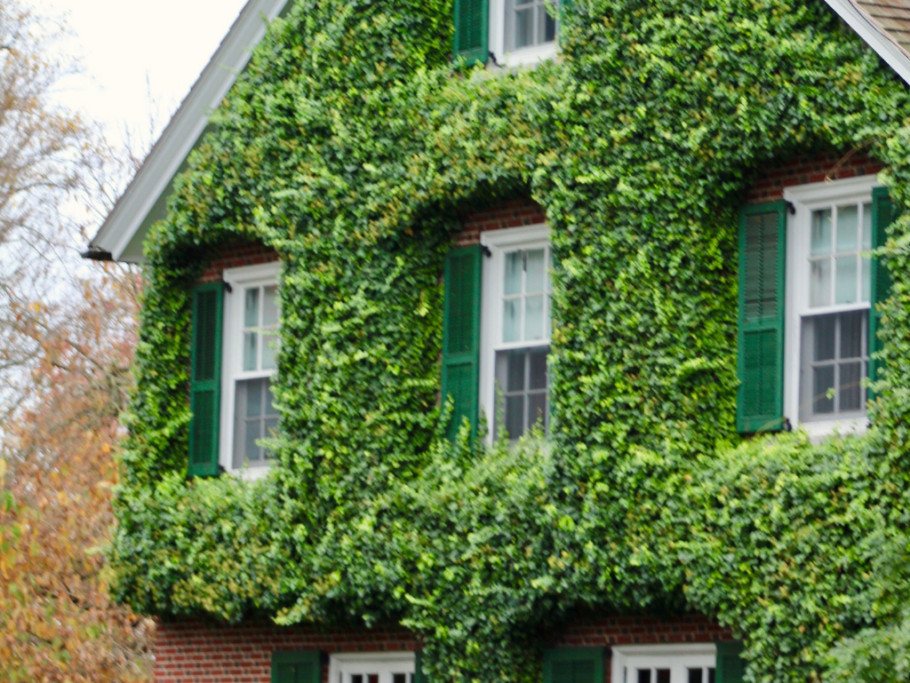
1. Ivy on your exterior walls
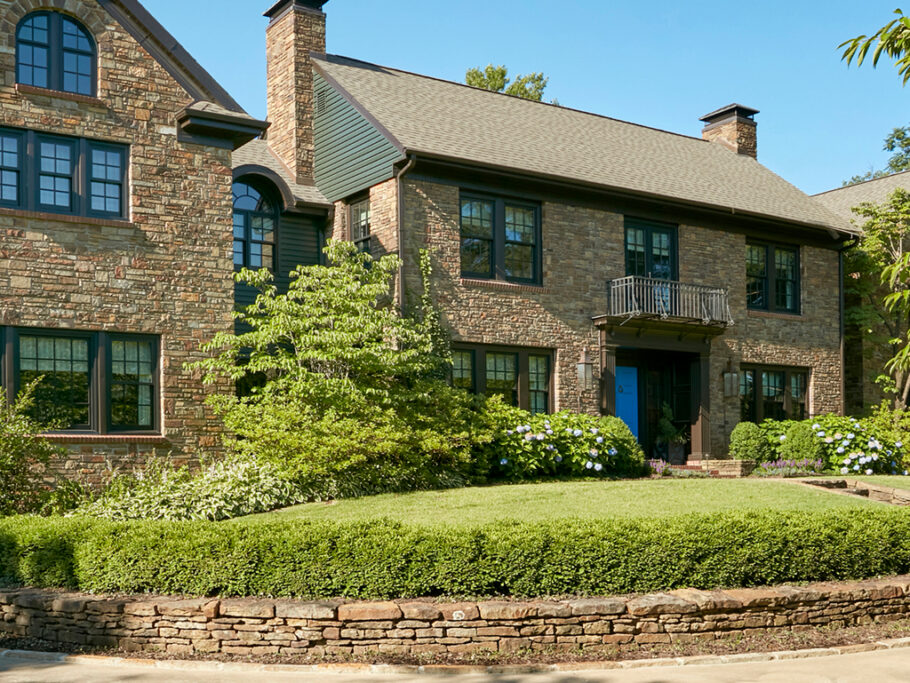
Walls laden with greenery carry a grand appearance reminiscent of storied university halls, Tudor libraries, and historic estates. However, the roots of these plants are surprisingly strong, capable of working their way into cracks. They can widen gaps, weaken your walls’ structural integrity, and create openings that attract pests.
Worse, some varieties may also be invasive, including English ivy. (This particular species is poisonous as well.) This means they can spread aggressively and damage surrounding plant life, smothering smaller species and even taking down large trees.
Try this instead: For the look of greenery without the damage, grow vines on a freestanding trellis set several inches from your walls, or choose climbers like clematis that twine around supports instead of gripping masonry.
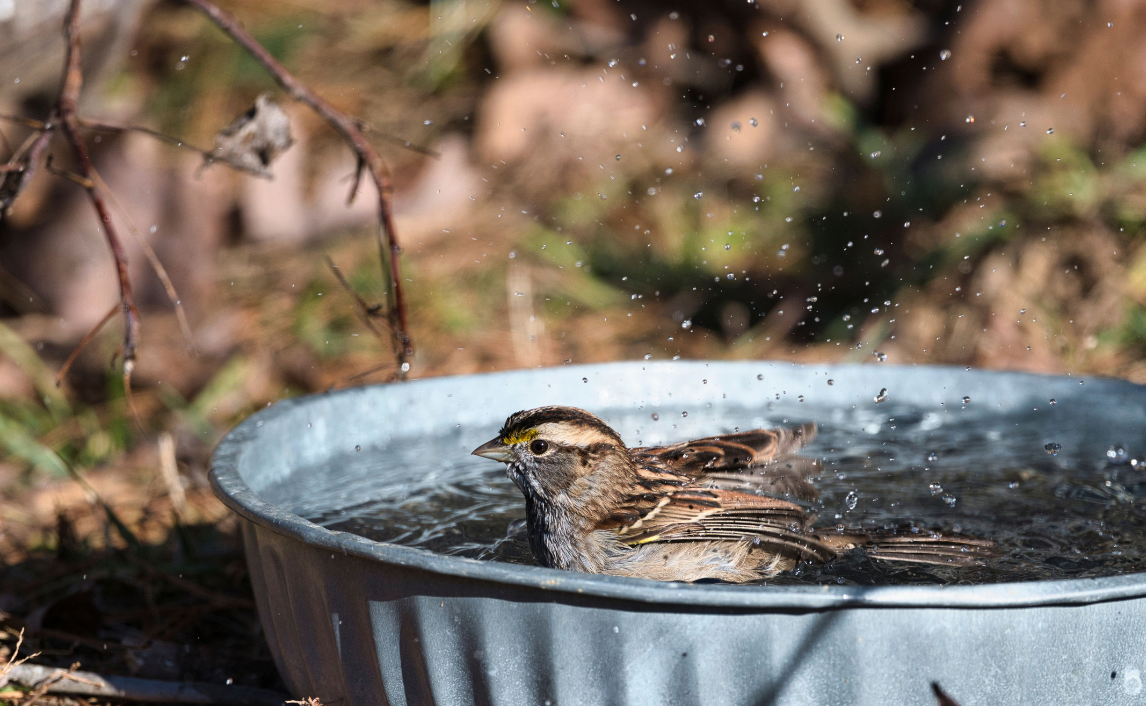
2. Bird baths and ponds
Serene and satisfying, water features can lend an inviting ambience to your property. But if not built or maintained properly, options like bird baths or ponds could cause trouble. For one, mosquitoes will likely breed in still water, invading your yard with more of these irritating fliers that have been known to spread diseases like West Nile virus to people and heartworm to pets. Additionally, idle water can take on foul odors and an unsightly appearance if mold flourishes in it.
Try this instead: Because standing features like bird baths require frequent maintenance, including changing the water every two to three days, consider products that keep water circulating, such as electric fountains. Mosquitoes won’t nest in them (at least while they’re running), and they can still attract birds to your yard.
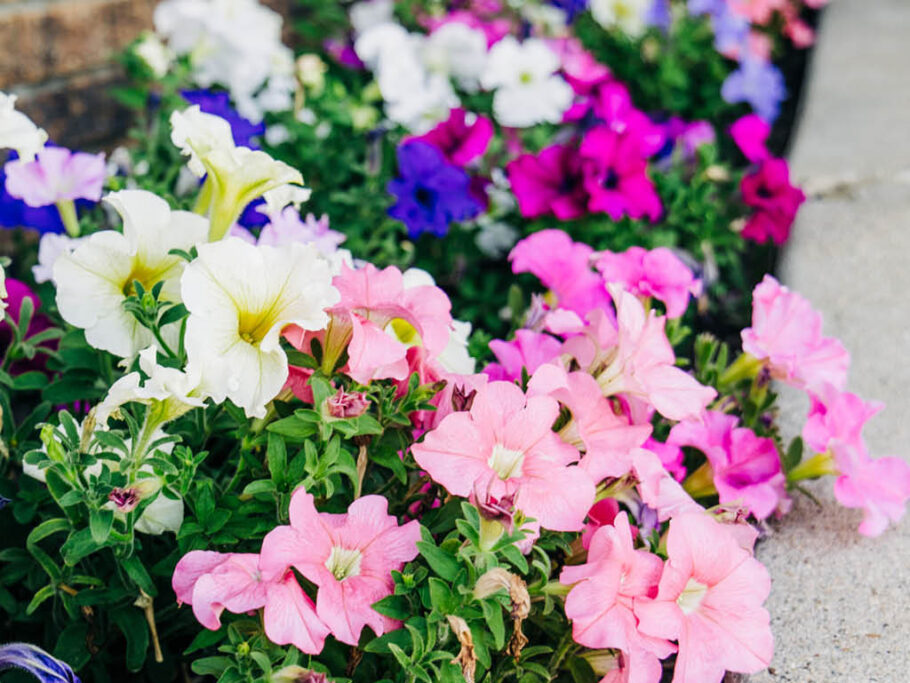
For a similar feeling without the water, simply incorporate more blue into your landscape! Blue patio decor, flowers, and pavers will imitate the calming vibe of lounging near water with far less maintenance.
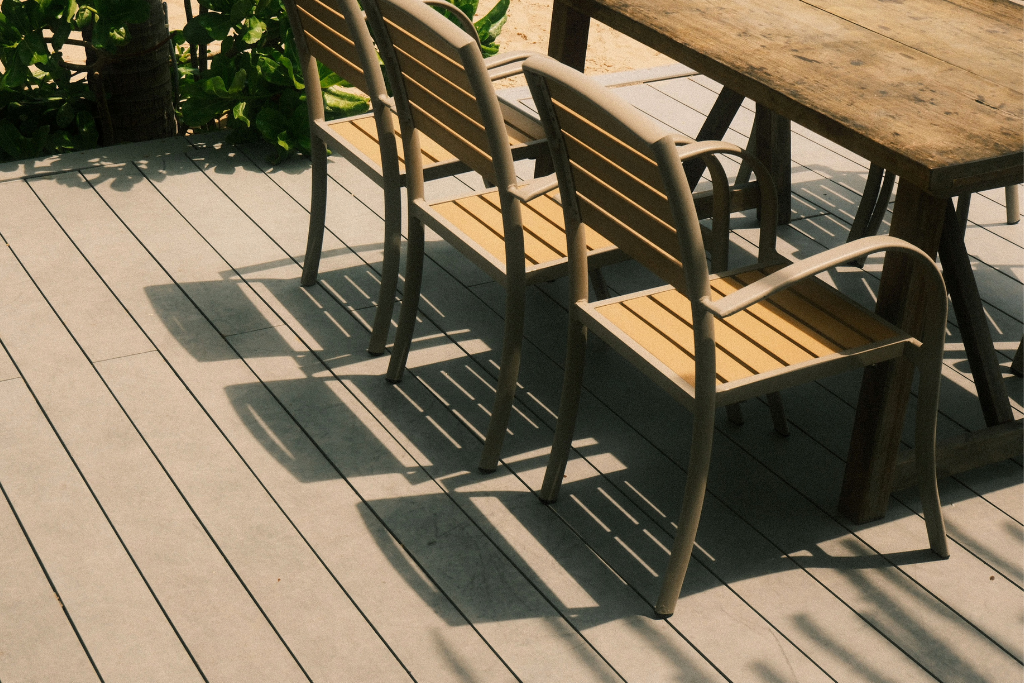
3. Dark outdoor surfaces
If your outdoor spaces feel less like a relaxing retreat and more like a source of heat, your surface materials may be to blame. Sure, dark gray is a popular color for decking and patios, and deeper shades in general look stylish when contrasted with lighter surroundings. However, they can absorb sunlight and radiate heat, making the spaces where you relax or host guests uncomfortable. This effect is exacerbated in south-facing areas and those with full sun.
Unfortunately, even shading these areas with umbrellas or awnings may not alleviate the issue. Radiant heat can pass through thin fabrics, baking your hosting areas in unwelcome temperatures.
Try this instead: Paint or stain your patio, porch, or other outdoor surface a lighter color, such as beige or a natural oak tone. Lighter shades absorb less heat, making them feel cooler and more comfortable. Alternatively, upgrade to materials that are less likely to retain warmth, such as heat-reflective composite decking or aluminum decking, which sheds heat quickly. Making these improvements can help you create a more relaxing atmosphere for enjoying your landscape, even on a warm, sunny day.
6 Views
Related Posts

Popular Posts