












Animal Encounters: How to Enjoy Natural Wildlife
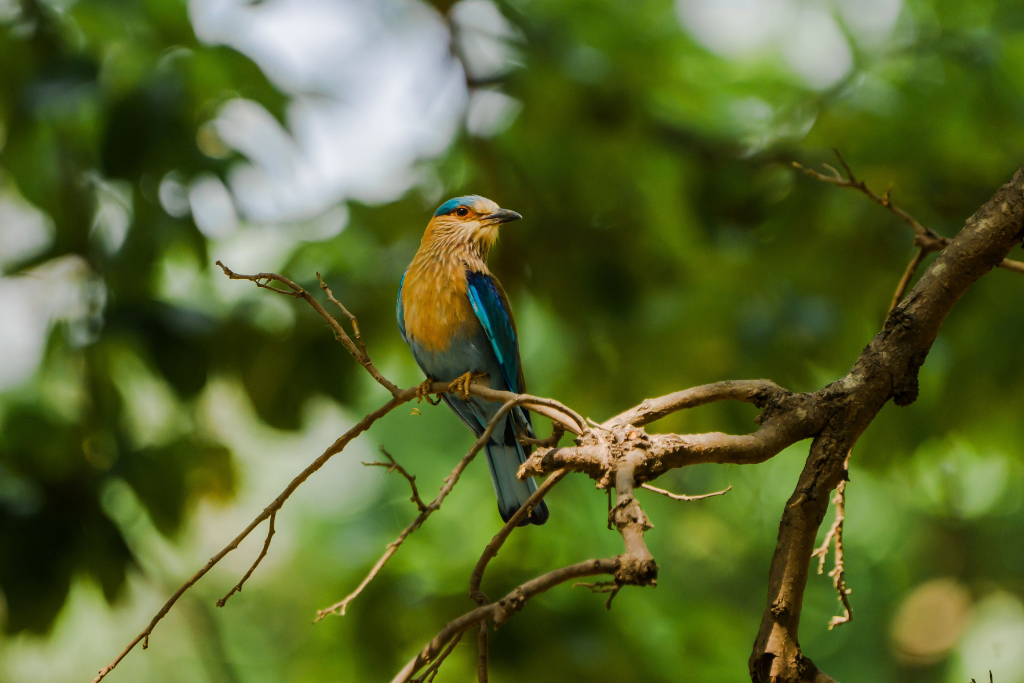
One of the most rewarding parts of being out in nature is observing the diverse array of wildlife that this nation has to offer. Colorfully adorned birds drifting aloft, small reptiles hopping from rock to rock, and fish surfacing in ponds and streams—each encounter feels like a gift. This is especially true if you’re intentionally heading outside to seek out these experiences.
Though you may not be new to enjoying outdoor strolls, hikes, or sports, the following guide can help you plan to adopt a naturalist hobby, adding thrills to your routine and developing exceptional biology know-how.
Practice safety
First of all, it’s important to proceed into natural environments safely. If you have mobility issues or certain cardiovascular conditions, you may want to avoid entering demanding landscapes, such as creek beds with uneven terrain or high elevations that can challenge your heart rate. As always when beginning a potentially challenging activity, talk to your doctor for clearance first.
When you plan to go for an exploration session, take plenty of water with you, apply sunscreen, and wear clothing that provides good coverage. Also wear well-fitting tennis shoes with good traction.
And don’t take unnecessary risks. Always observe wildlife from a safe distance, and avoid entering areas with poor visibility, such as high grasses, where less-welcoming creatures like snakes and spiders can lurk. Don’t feed wildlife, and, as Wilderness.org warns, “Do not interfere with mating, predation or other natural behavior.” Your role is ultimately to watch animals, not try to befriend them.
Additionally, you might want to leave your pet at home. They could scare away wildlife or intimidate any that appear.
Read up
Just what do you hope to come across or even document on your adventures? Conduct a bit of research before you go exploring so you know what to sightsee. The United States contains a wide variety of different landscapes, climates, and ecological systems, from deserts to tundras, and many examples in between. This means that what’s true of the state next door may not be true of your neighborhood, so go as local as possible when researching wildlife. Your county or even city could have online resources for you to peruse. However, you can find details about different parts of the nation on the National Wildlife Refuge System’s website.
Educating yourself beforehand can also help you learn about noteworthy wildlife you must see—such as especially beautiful birds—and understand the spaces they occupy (creeks or flat, open fields, for example). Additionally, you can learn what times of day they’re active and in what seasons they’ll make an appearance. Make a list of which critters you’d like to witness based on these details.
Take materials
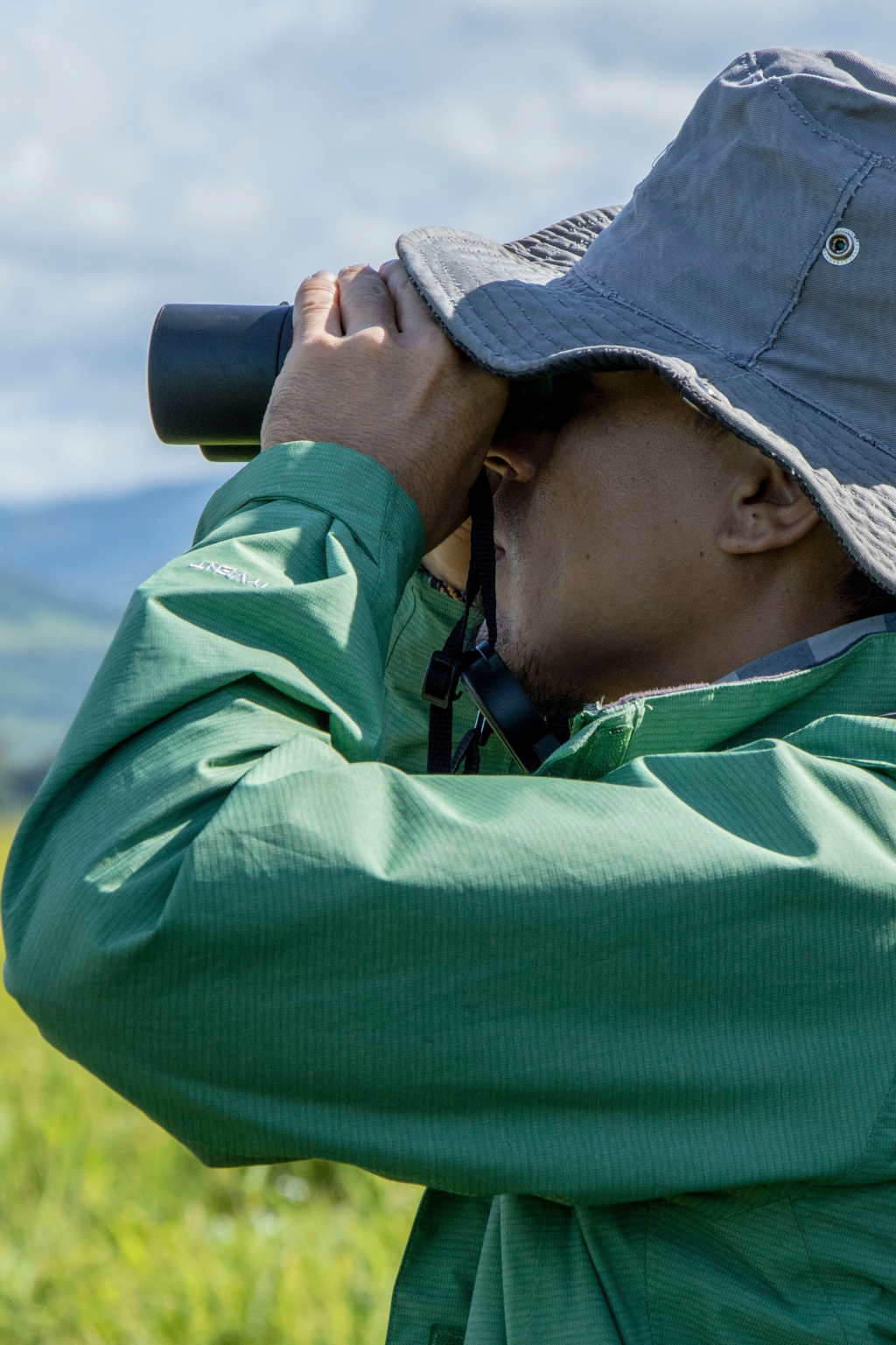
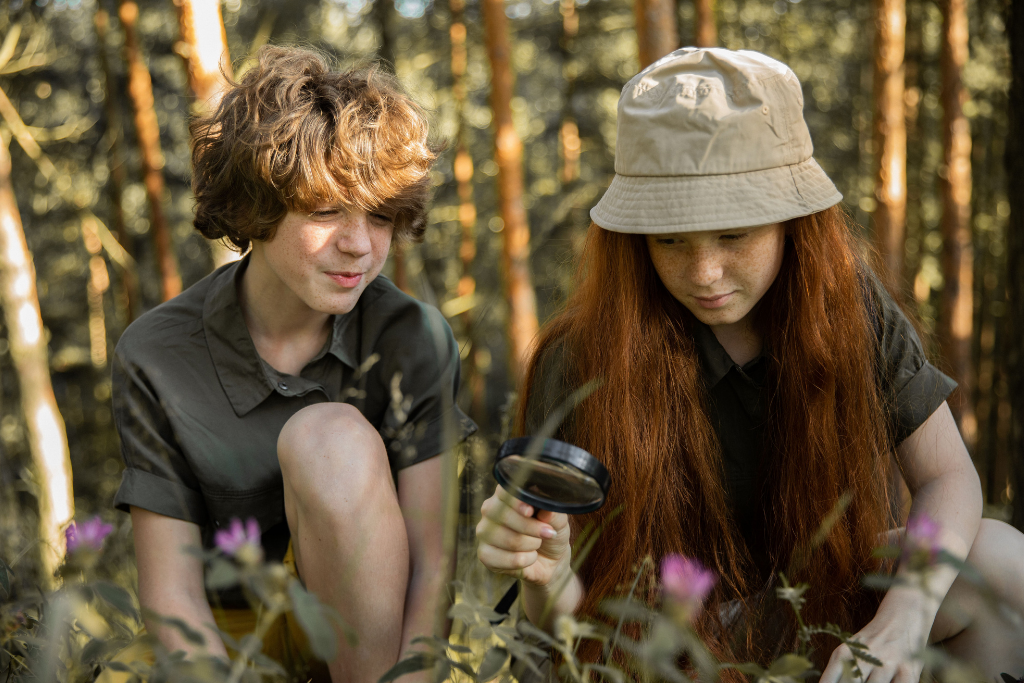
Certain supplies can help you document your encounters. Consider carrying a wildlife pocket guide so you can identify species, their footprints, or their nests. You can also try an app like the Audubon Society’s bird guide to do so. Additionally, bring a high-quality camera and/or notepad so you can document your findings. And for better visibility, pack binoculars and perhaps also a magnifying glass (for viewing tracks and other animal markers up close).
Go local
You don’t have to travel far to spot wildlife. In fact, you may be able to find photo-worthy creatures in manicured parks and other urban green areas—even beyond usual city dwellers like pigeons and squirrels.
With these tips in mind, you’ll be ready to explore the beauty of your natural landscape. Wildlife watching may become your new favorite hobby, and the skill of understanding the environment around you will be one well worth sharing with your family and friends.
314 Views
Related Posts




Popular Posts