




A Horse Haven
Photos courtesy of: ryerss farm for aged equines
Samuel Griffin, president of Ryerss Farm for Aged Equines in Pottstown, Pennsylvania, discusses what it takes to run his organization, the country’s first horse rescue and retirement farm and the oldest nonprofit horse sanctuary in America.
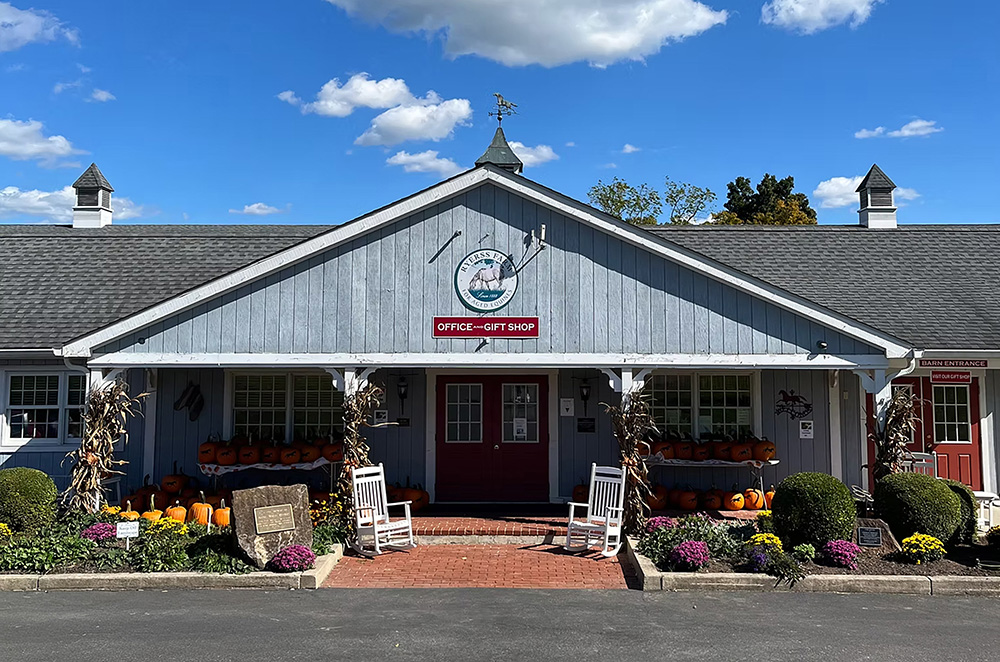
How big is Ryerss, and how many equines do you have?
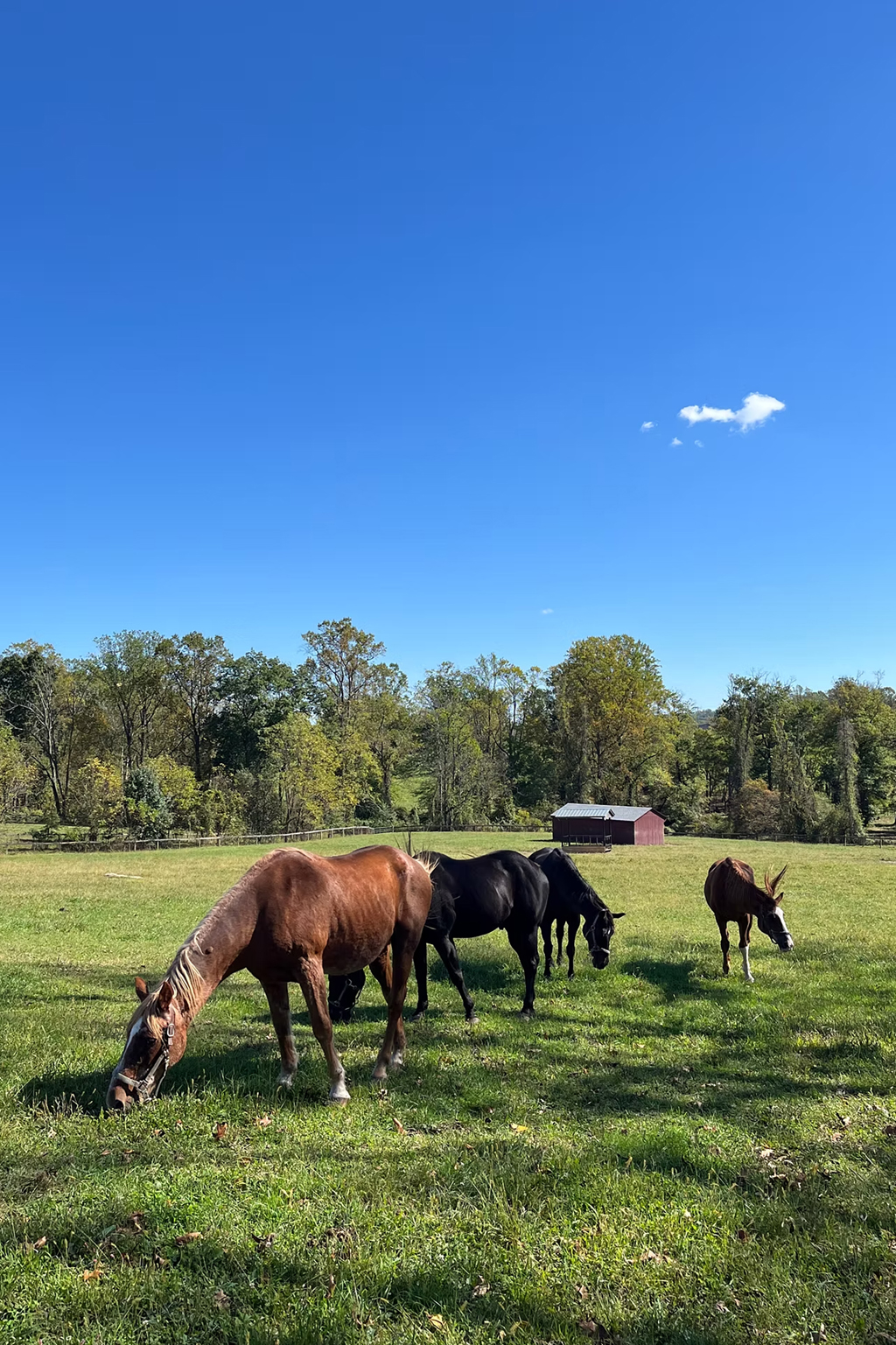
We own around four hundred acres and eighty stalls. At any given time, we have from seventy-nine to eighty-five equines living here—not only horses but also mules and donkeys. We’ve housed just about every equine other than zebras.
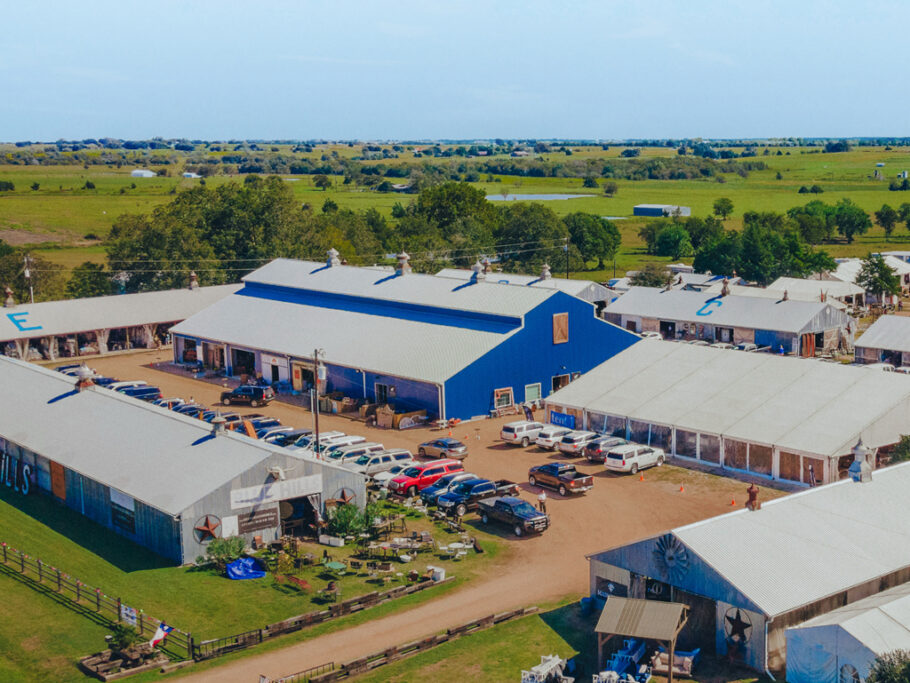
When we settled into our current location, we preserved the land for agricultural use only to support as many animals as we could. We now have a huge main stable, several other buildings, and some other structures. We even grow our own hay, straw, and corn.
Do you accept horses from all over the country?
We do; a couple of them even arrived from Alaska last year. However, the majority come from the East Coast, especially the Philadelphia tristate area. We also get a wide variety of horses, including thoroughbreds, racehorses, polo ponies, show jumpers, and trail horses. The equines must be at least twenty years old to stay at the farm, and around 12 percent are rescues.
Are you open year-round?
365 days a year, from 10:00 to 4:00, with free admission. We’ll sometimes close for a holiday, although people have been known to just show up to see the horses on Christmas morning.
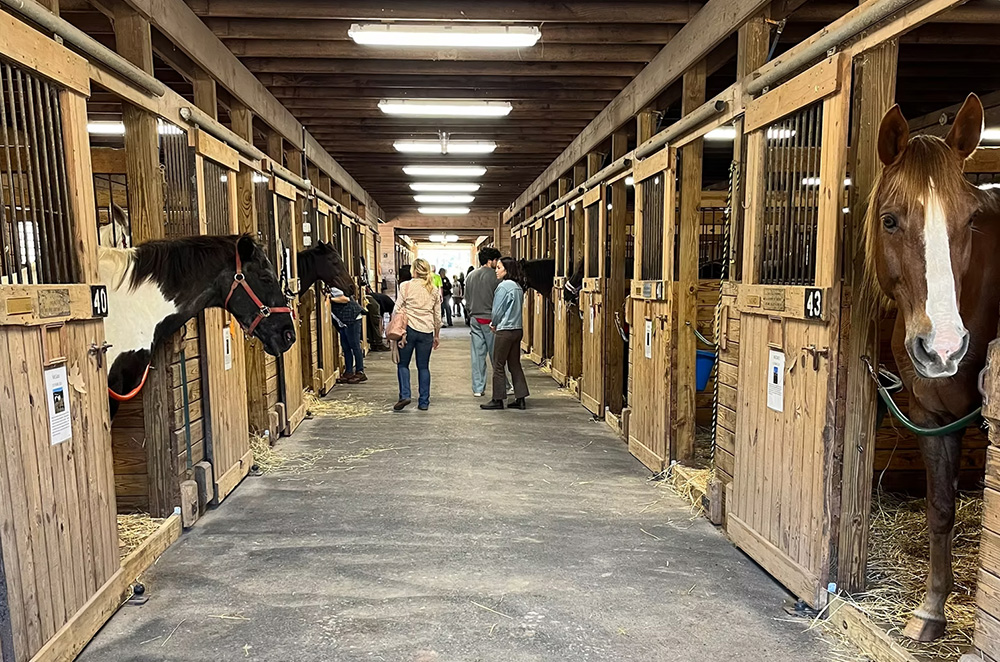
What’s it like to run a year-round organization that cares for dozens of equines?
There’s a huge amount of work involved. Our farm manager, Cory Mowrer, takes care of all the farm operations, doing so much of the overall work. But it’s also handled by a few other full-time employees, including an on-site, live-in veterinarian, and around one hundred volunteers. It’s basically like running a retirement home for horses. However, none of the people who do it would say it’s work because they all love caring for the animals. That’s why we have almost no turnover.
Would you share some of the biggest challenges?
You’d probably get a different answer from every person here. For me, it’s financial because I wake up every morning thinking about how we’re going to make ends meet. For others, the biggest challenge is keeping the farm in order. In addition to caring for our animals, we have a lot of buildings with a lot of roofs and plumbing, for example, and it’s always a roll of the dice every year determining what crops to sow and where—all the worries of a farmer. Cory’s an excellent one, and he approaches it very intelligently.
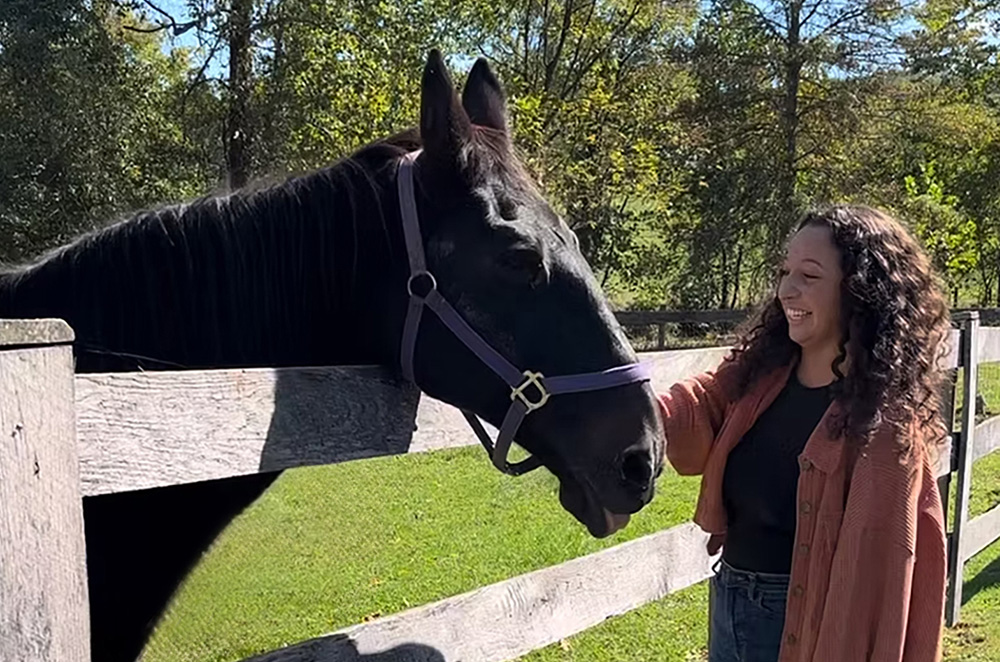
Do volunteers and employees alike get attached to the horses?
Yes. And that’s the sad part of what we do because we’re here to let them live out the remainder of their days. It’s inevitable, but everyone understands our purpose: to give our four-legged friends their best possible life. Frankly, the horses don’t know they’re old; they just feel a little achier, like to lie down more often than usual, and can’t always feed themselves.
How do people react when they visit the farm?
The overwhelming sense I get from visitors is that it’s a wonderful place for them to find contentment. Many aren’t country folks, so they’re here to feel some solitude and let their kids experience the open country and see big animals.
What does Ryerss mean to its community?
That’s a good question. This part of Chester County is becoming suburbanized, but Ryerss will always be evergreen. People here know we’re never going to move, which provides a sense of stability in changing times. And, of course, because of the influx of visitors we get, it’s great for the community as a whole.
What’s the best part of this venture for you?
I grew up with horses; my grandparents and parents had them. I was a rider from a young age, which I enjoyed immensely, and I was always very attached to our horses. In fact, I was retired when some friends of mine on the board here asked if I’d like to join them, which was a no-brainer. I do this because I love the farm and its residents.
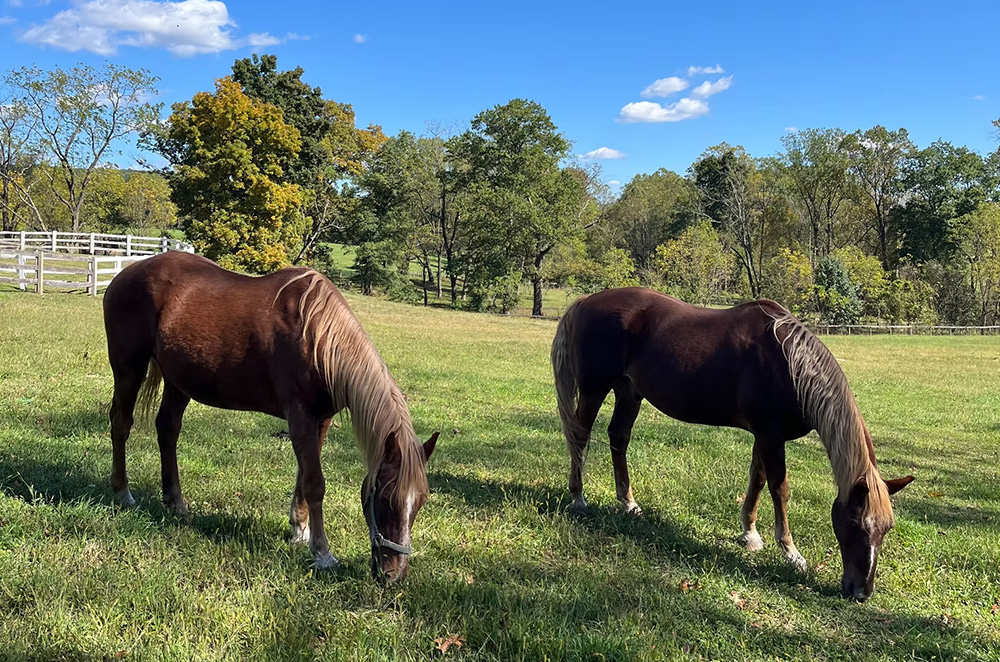
After all, equines work most of their lives for us: they learn how to carry us, how to jump for us, and so forth. I think we should return the favor, which is why Ryerss exists. Once they arrive, they will never be worked or sold again. We make sure that their shoes are off for good—they get to just live like a horse, barefoot and out in the fields. It’s a nice way of saying thank you for everything they’ve done.
For more info, visit ryerssfarm.org
507 Views
Related Posts



Popular Posts